


Our Guinea Pig Care Guide
From first-time setups to long-term care, our Guinea Pig Care Guide supports every piggy parent on their journey.
Before You Become a Piggy Parent ⭐IMPORTANT READ⭐
First-Time Piggy Parent Hub - full of great resources to begin your piggy journey!
Popular Topics
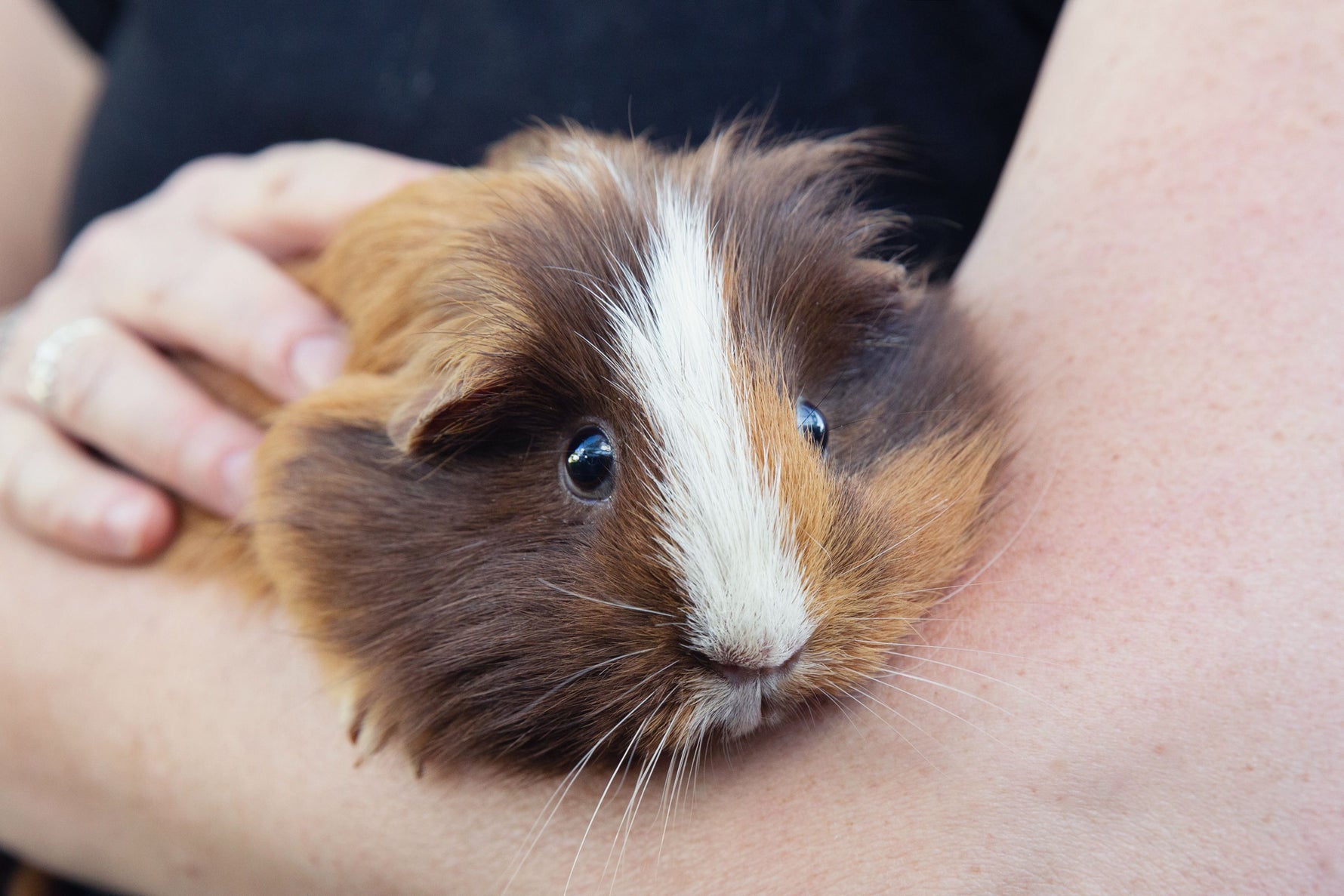
New To Guinea Pigs?
Are you about to embark on your piggy-parent journey for the very first time?
Read this very important section first!

What Cage Size Is Best?
Learn the minimum cage size your guinea pigs need to stay healthy, happy, and active.

What Foods Can Guinea Pigs Eat?
Learn what foods you can safety feed your piggies - and which ones to avoid!

Males or Females?
Explore how male and female guinea pigs differ in behaviour, bonding, and what it means for you as an owner.
Top 5 Guinea Pig Care Questions
Guinea pigs need a secure, well‑ventilated enclosure with a solid floor, not wire. Guinea pigs require a minimum of 70 square centimetres of space each, with males requiring more at 1 metre square. With cage size, bigger always being better!
Avoid purchasing wooden hutches and plastic bottomed cages from petstores as these are often too small and have steep ramps and levels that are unsuitable for guinea pigs to use safely.
Key points:
- Keep housing indoors or in a sheltered outdoor area that is weatherproof, predator-proof, draught‑free, and protected from extreme weather.
- Provide safe and absorbent bedding such as fleece liners; avoid cedar or heavily scented wood shavings which can irritate the respiratory system. Avoid using materials like newspaper, towels and hay as the sole bedding.
- Include at least one hide per pig (tunnels, boxes, shelters) so they can retreat and feel secure.
- Spot clean the enclosure daily and do a thorough clean once a week to reduce smells and build up of bacteria and ammonia.
Guinea pigs are highly social herd animals and are happiest with their own kind, so they should not be kept alone whenever possible.
Companionship basics:
- Aim for at least a pair of guinea pigs, usually same‑sex or a neutered male with females to avoid breeding.
- Females generally do well together in pairs or groups; males can also live together, especially if introduced young and personalities are compatible.
- Do not house guinea pigs with rabbits; rabbits may bully or injure guinea pigs and their needs differ.
- Even tame piggies that enjoy humans still need another guinea pig for full social wellbeing.
A guinea pig’s diet must be high in fibre with constant access to fresh hay. Diet has a huge impact on their dental and digestive health.
Daily diet:
- Unlimited grass hay (like timothy or oaten) as the main food; it keeps teeth worn and gut moving.
- A variety of fresh leafy vegetables and safe greens every day; introduce new foods gradually to avoid stomach upset.
- A small measured amount of a good‑quality guinea pig pellet, not muesli mixes with seeds, nuts or coloured bits.
- Fresh, clean water available at all times, ideally in a bottle or heavy non-tip bowl that stays clean.
- Because they cannot make vitamin C, they need a diet rich in vitamin C (pellets formulated with vitamin C and appropriate veg like capsicum), rather than relying on drops in water which can be unreliable.
Guinea pigs reach sexual maturity very early: females from around 3–4 weeks and males as early as 2 weeks, so accidental litters are common if sexes are not separated or neutered.
Important facts:
- Here at Guinea Pigs Australia and many welfare organisations strongly advise against breeding pet guinea pigs because pregnancy and birth carry significant risks, including dystocia (difficult birth) and other reproductive problems.
- If a female has not had a litter by around 6–8 months, her pelvic bones may fuse, making natural birth unsafe or impossible and increasing the risk of life‑threatening complications.
- Females can become pregnant again very soon after giving birth, so males and females should be separated early and carefully sexed.
- If you are looking to introduce guinea pigs into your family, we highly recommend adoption through your nearest small animal shelter. Find your nearest one here!
Spacious indoor housing, quality diet, fellow piggy companionship and daily interaction are key to long‑term health and wellbeing for your small pets.
Health and enrichment basics:
- Arrange an initial vet check soon after getting your guinea pig and then yearly check‑ups; seek help promptly if you see signs like reduced eating, weight loss, breathing changes, or unusual behaviour.
- Groom regularly, especially long‑haired breeds (brushing, nail trims, occasional baths when needed), to prevent matting and skin problems.
- Provide enrichment: tunnels, chewable toys, foraging opportunities (scatter food, hide veggies in hay), and safe floor‑time outside the cage for exercise.
- Handle gently and frequently so they stay tame, but always support their body and avoid sudden grabs to prevent stress and injury.


Improving the lives of guinea pigs one WHEEK at a time!
Follow us on socials!